
Case study · Agriculture
A 3,000-head station run from 590 km away — with half the bore visits
An unmanned sheep station in Western Australia, carrying around 3,000 head, is monitored and controlled from a computer in Perth — roughly 590 kilometres away. Since the Sentor system was installed, visits to the station’s bore sites have fallen by about half.
3,000
head of sheep carried on the station
590 km
between the station and the office in Perth
~50%
reduction in bore site visits
Zero
permanent staff resident on the station
The problem
A station of this kind runs on water. Sheep spread across large paddocks depend on troughs fed by bores, and a bore that stops pumping is not a maintenance issue that can wait for the next scheduled round — it becomes a stock welfare emergency within days, sometimes faster in heat.
The only way to know a trough is full is to look at it. On an unmanned station that means driving out: to each bore, to each trough, on a routine frequent enough that a failure is caught before the water runs out. Most of those trips find nothing wrong. They are made anyway, because the cost of not making them and being wrong is the loss of stock.
With the office 590 kilometres away, that routine consumes days rather than hours, and it does not scale. Every additional bore adds another leg to a drive that is already long.
What was needed
Not simply a report that a bore had failed — a way to run the station’s day-to-day water and stock management without being on it.
- Continuous visibility of trough water levels, so an empty trough is known immediately rather than found.
- Confirmation that stock were actually using the water points.
- The ability to act remotely, not only to observe.
- Operation with no mains power and no fixed data connection at the monitored points.
The installation
Monitoring, identification and control from one system
The station owner runs all monitoring and control of the property from a computer. Three things happen through it.
Water
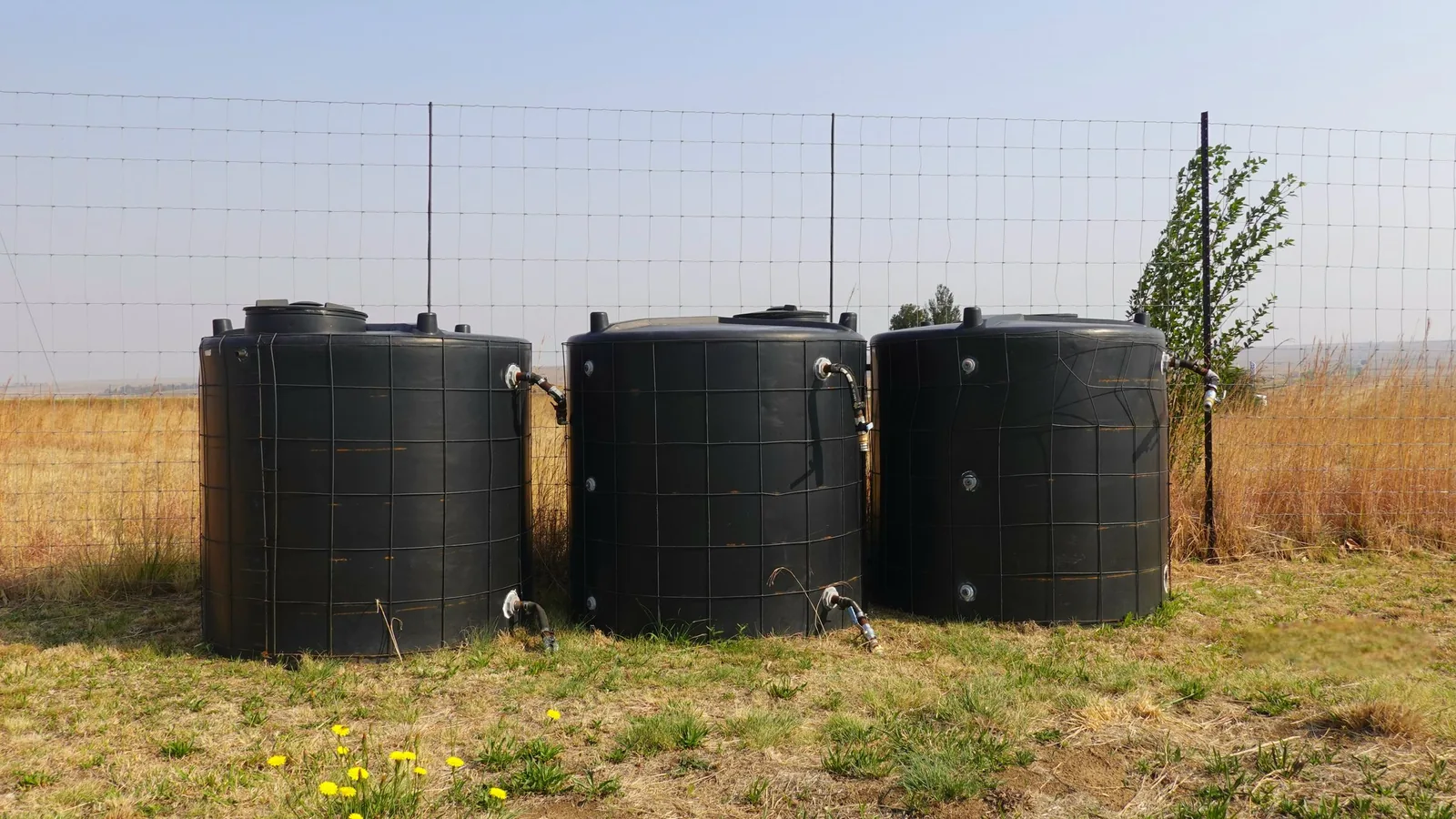
Trough water levels are monitored continuously. A level moving outside its expected range raises an alarm, so a failing bore or a dry trough is reported as it happens rather than discovered on the next round.
Livestock
Tag readers identify which animals are present at the monitored points, and video shows the animals and the access points directly — turning “the trough is full” into “the trough is full and the stock are on it”.
Control
Gates are closed remotely from the same screen, so stock can be mustered into yards without anyone driving out to open and shut them by hand.
That last capability is the one that changes the character of the system. Monitoring alone would still have required a trip for every action; being able to operate the gates remotely means a decision made in Perth is carried out on the station immediately.
The result
Visits to the station’s bore sites reduced by around 50%.
The trips that stopped are the ones that would have found nothing wrong. Inspection stopped being a calendar routine and became a response: someone drives out when a reading says there is a reason to, and the reading tells them which bore and what the problem looks like before they leave.
The trips that remain are better informed. Arriving with the trough level history and the pump status already known is a different job from arriving to investigate.
Why it works without a connection
Remote agricultural sites rarely have mains power or a fixed data service. Sentor is designed for exactly that: the controller draws little enough to run on solar with battery backup, and reports over cellular, radio or satellite depending on what reaches the site.
Just as importantly, the control logic lives in the controller’s own memory and runs on site. If the link drops, the station keeps monitoring levels, keeps operating outputs and keeps logging events. Nothing waits for a connection to come back before it works.
Where this generalises
The same pattern, on other kinds of site
Nothing about this installation is specific to sheep. The pattern is a set of unmanned points, an expensive drive between them, and a routine inspection cycle that mostly confirms everything is fine.
Water and irrigation
Bore, tank, dam and channel levels with remote pump control, on the same off-grid arrangement.
Environmental sites
Weather, rainfall, solar generation and pollution readings from locations with no infrastructure at all.
Remote infrastructure
Any site where the inspection interval is set by how far it is to drive rather than by how quickly things actually fail.
A note on this account. The customer is not named at their preference. The figures given — 3,000 head, 590 kilometres and the approximate 50% reduction in bore visits — are as reported for this installation. Results at any other site depend on its size, its layout, the distances involved and how often it is currently inspected.
How far do you drive to find nothing wrong?
Tell us how many unmanned points you inspect, how far apart they are and how often someone checks them. That is enough for us to estimate what a monitored arrangement would change.