
Remote monitoring & control · since 1995
One controller. Every remote site. Real-time.
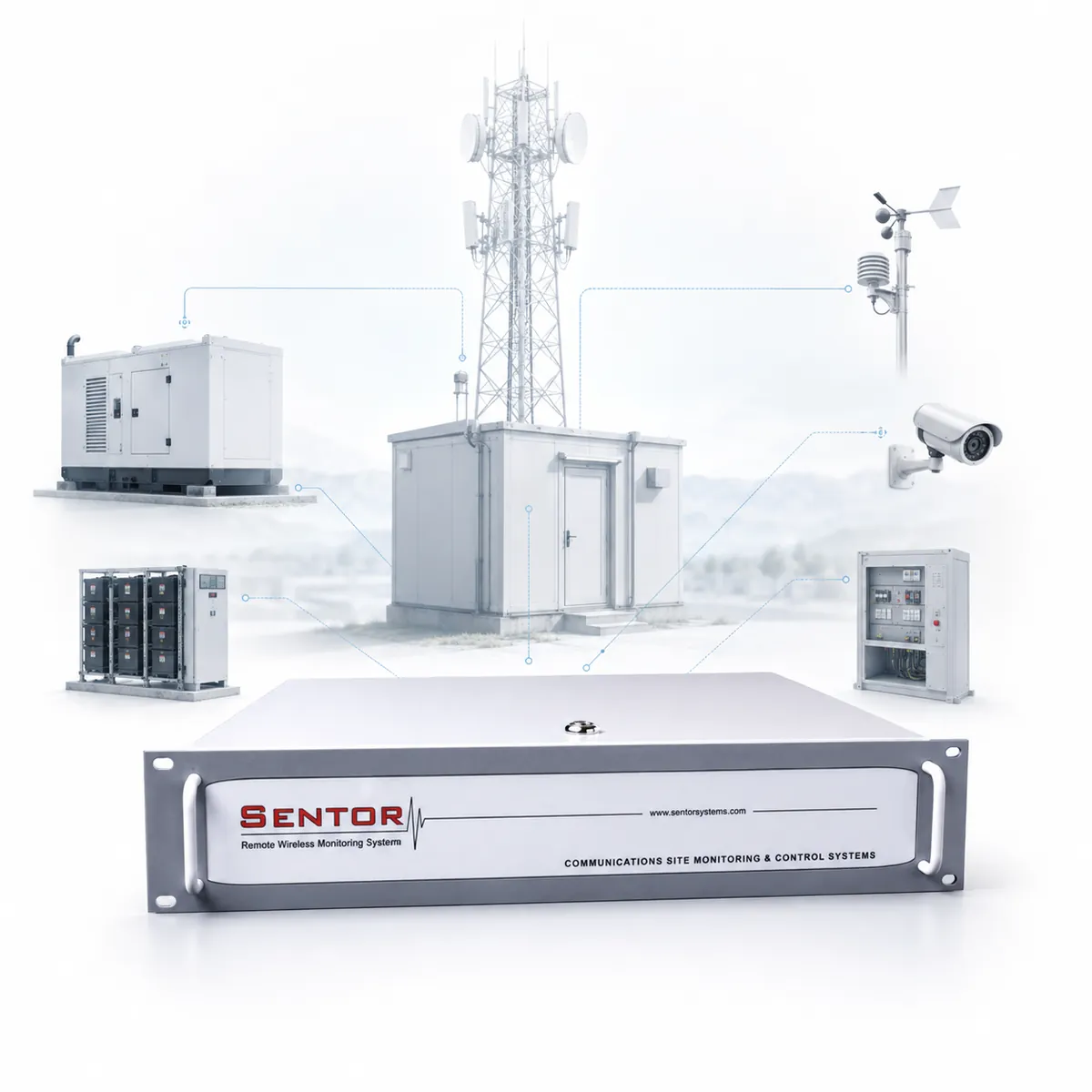
Sentor monitors and controls power, access, alarms and equipment at unmanned sites — towers, plant rooms, remote facilities — and puts every reading on one screen, so your team stops driving out just to check.
Deployed since
1995
Regional support
5 networks
Installations
Worldwide
Live — Site 04
Battery 13.4V
Fwd Power 48.2W
Temperature 22.6°C
Trusted by government agencies, telecom operators and utilities across five continents · In continuous service since 1995
What it does
See it. Control it. Before it becomes a problem.
Watch every device
Power, batteries, temperature, motion, access — Sentor reads it all continuously and flags what needs attention.
Act from anywhere
Open a door, restart equipment, silence an alarm — from your phone, laptop, or the site’s own keypad.
Know before you drive out
Alerts reach the right person by SMS, email or phone the moment something changes — so site visits become planned, not reactive.
The platform
One controller, built to expand with your site.
Start with the ST3000 controller. Add sensors, access modules and comms cards as your site grows. Manage it all through one software layer — from a single site to a national network.
Step 1
Sensors & devices
Power, temperature, doors, cameras
Step 2
ST3000 controller
Decides and acts on-site
Step 3
Cellular / IP / radio
Reports back in real time
Step 4
SitePRO / SentorCloud
Your dashboard, anywhere
Who it’s for
Built for sites no one wants to drive to.
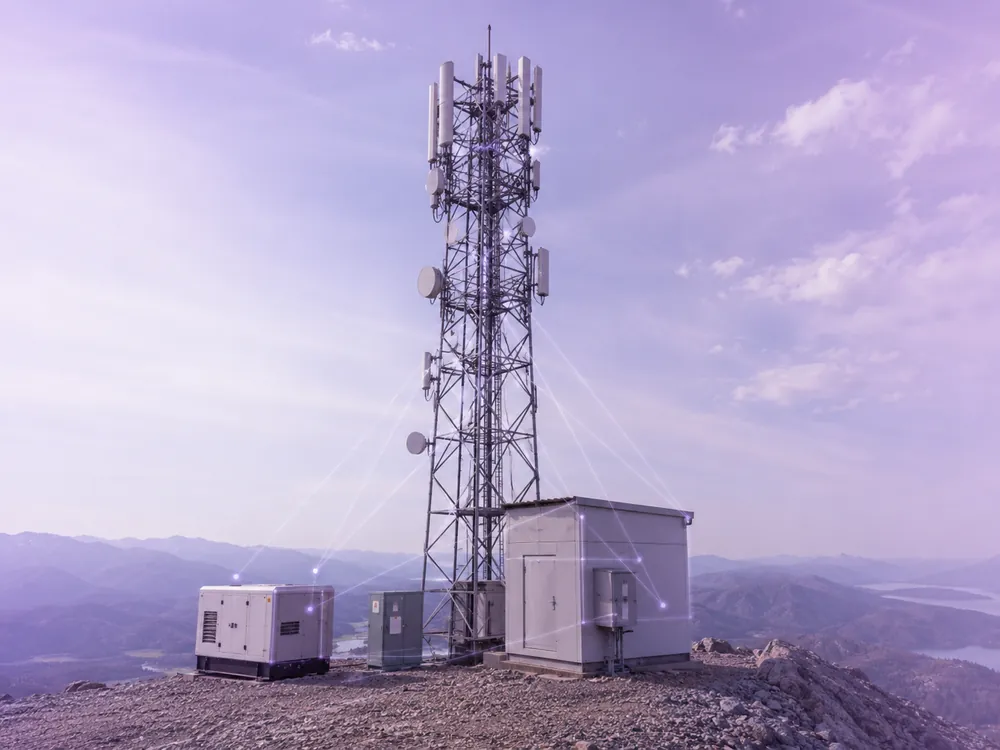
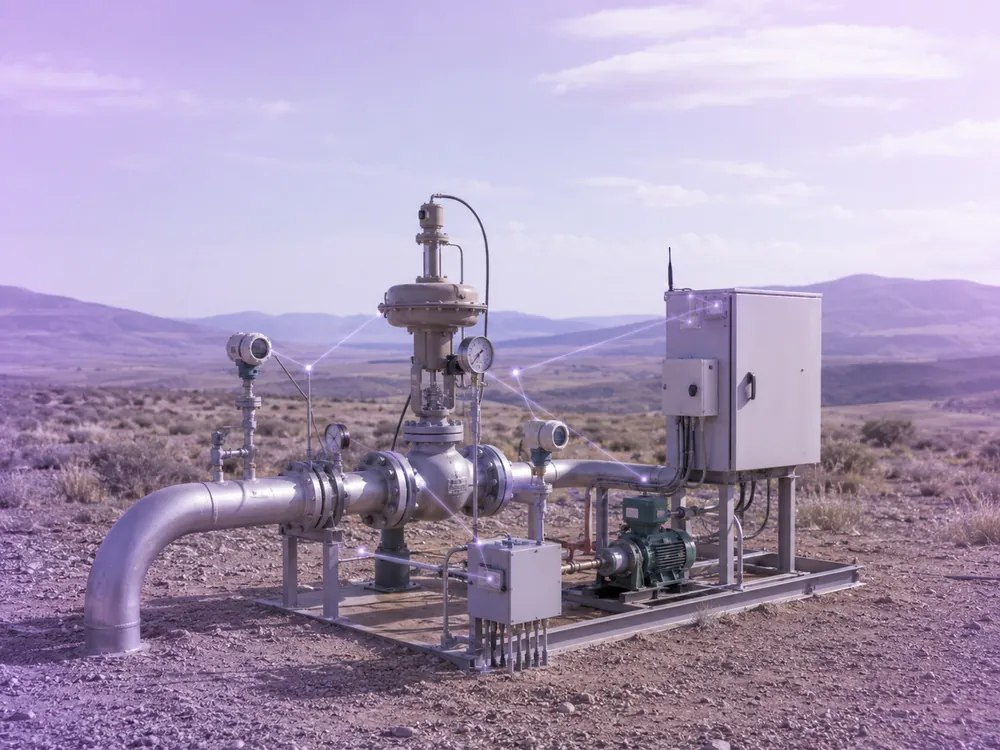
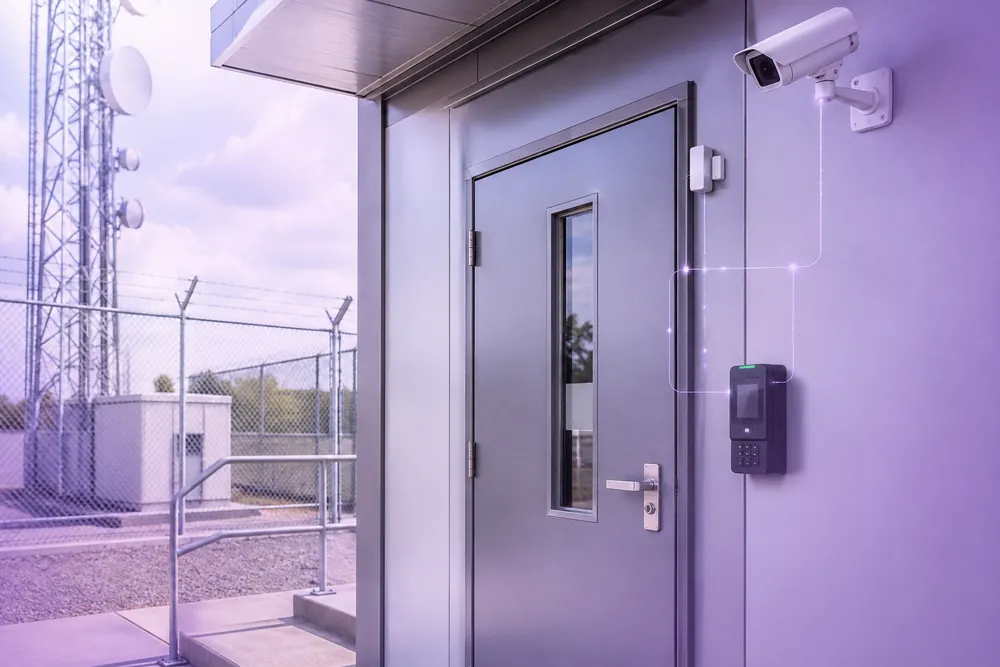
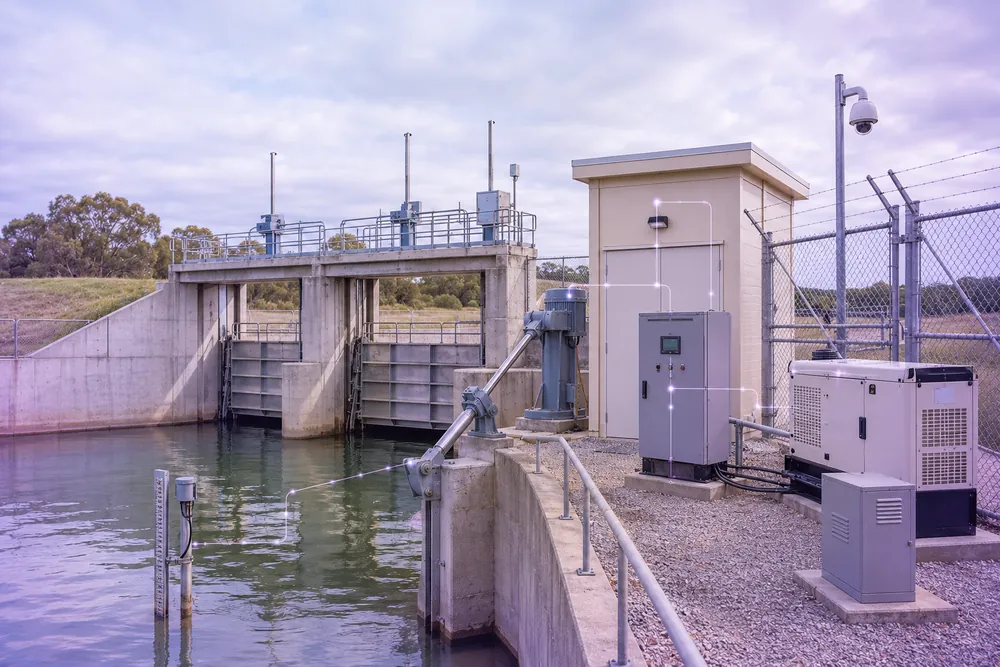
Government & Critical Infrastructure
Auditable, long-support-life monitoring built for public-sector procurement.
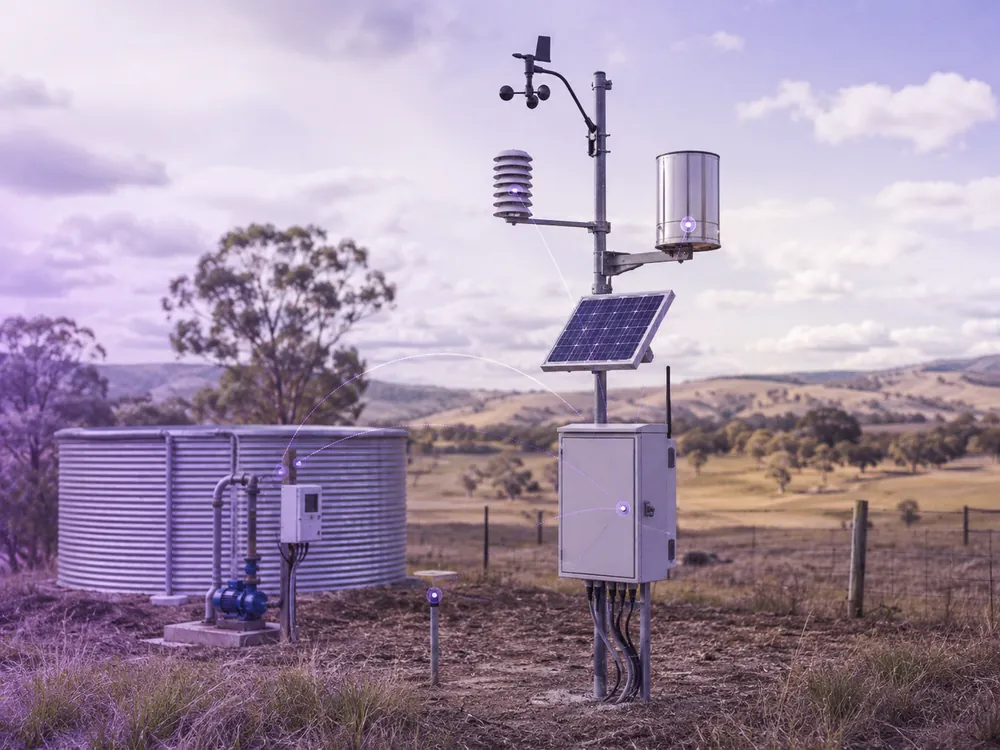
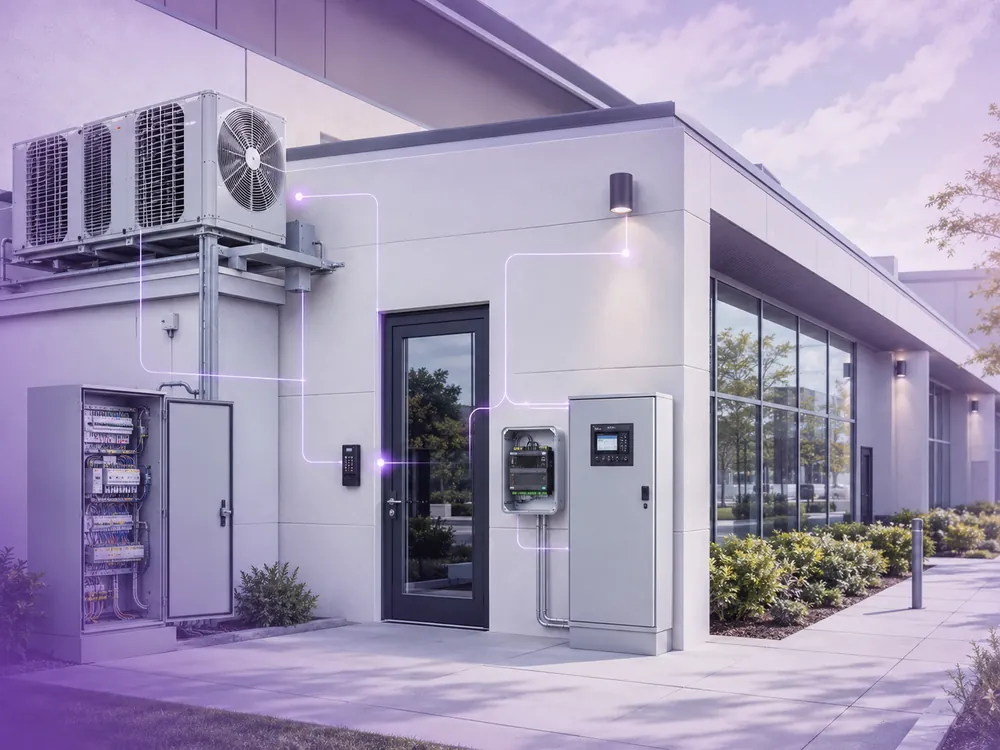
Proven on site
A 3,000-head station, run from 590 km away.
An unmanned Western Australian sheep station is monitored and controlled from a computer in Perth — trough water levels, livestock tag readers, video and remote gate control. Bore site visits fell by around 50%.
Don’t want to watch it yourself?
Sentor can monitor your sites for you, 24/7.
We watch the device readings, the equipment alarms and the security alarms your sites raise, and notify the right person when something changes — through the night, the weekend and the public holiday.
Work out what outages actually cost you. Our outage cost calculator takes your own figures — sites, outage frequency, hours, technician and travel costs — and shows what remote monitoring would recover. Run the numbers.
Why Sentor
What makes the platform different.
Modular by design.
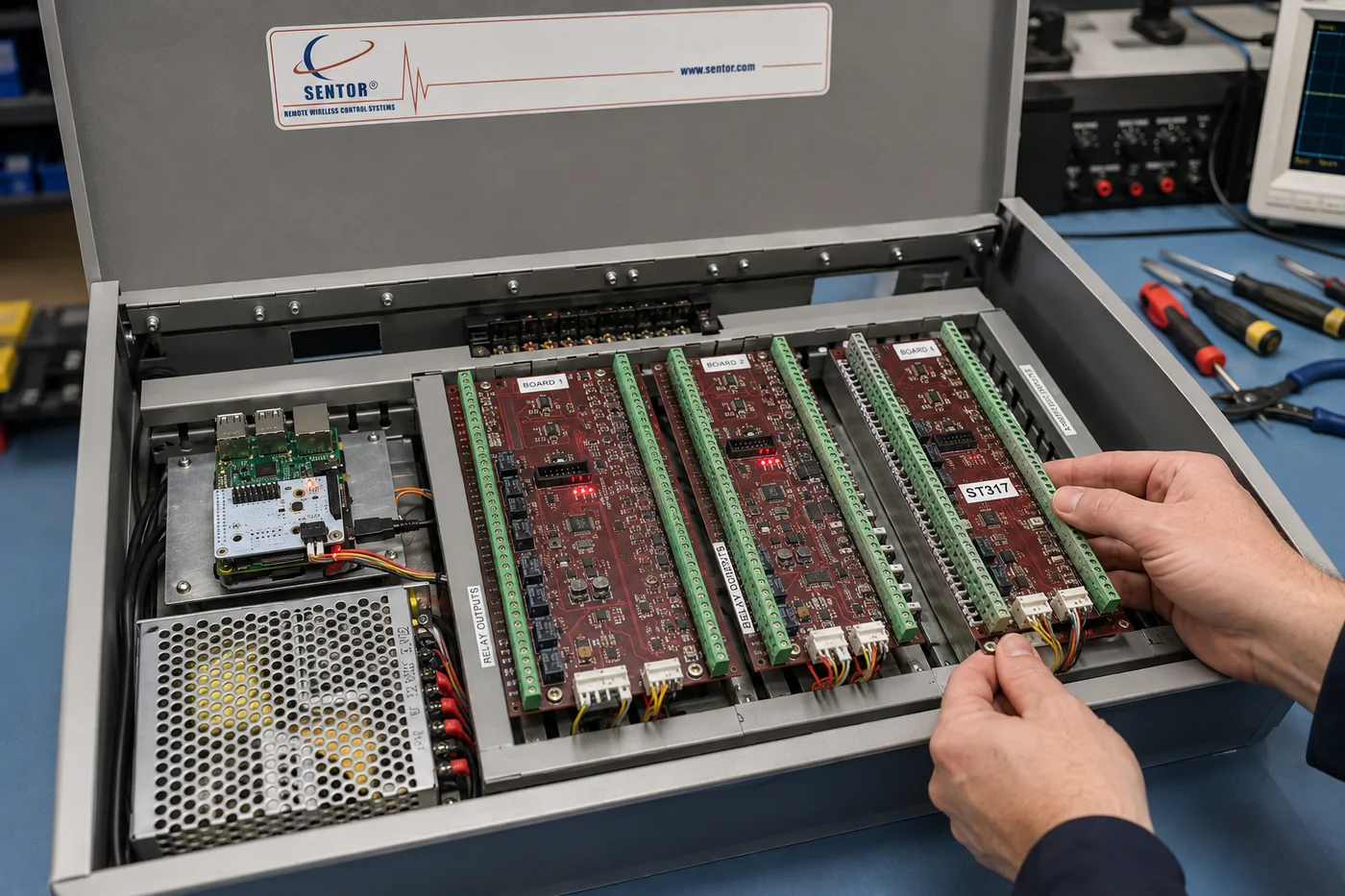
Every Sentor site starts the same way and grows differently. Add I/O cards, telephone dialers, cellular modems or biometric readers as requirements change — without replacing the controller.
Support that outlasts the sale.
Sentor systems installed over a decade ago are still in service, backed by regional support in five regions. We built our reputation on the after-sales relationship, not the invoice.
Common questions
What people ask before they specify a system.
What is a remote site monitoring system?
A remote site monitoring system is equipment installed at an unmanned location that continuously measures site conditions — power, temperature, equipment status, access — and reports them back to operators over a communications link.
It replaces physical inspection. Instead of sending a technician to check whether a battery bank is healthy or a generator has started, the system reports those conditions in real time and raises an alarm when a reading moves outside its expected range. In industrial use these controllers are often called RTUs, or remote terminal units.
How many inputs and outputs does one Sentor controller support?
The base controller provides 16 programmable inputs and 8 relay outputs, expandable with ST317 cards to a maximum of 80 inputs and 40 outputs.
That means a site starts with the capacity it needs and grows by adding cards to the controller already installed, rather than by replacing the system. See the full product range.
Does a Sentor site keep working if it loses its connection?
Yes. The control logic is stored in the controller’s own memory and runs on site, independently of any connection back to base.
Programmed scenarios continue to evaluate readings, operate relays and record events while the link is down, and the logged events are collected when communications are restored. How the platform works.
Can Sentor control equipment remotely, or does it only monitor?
It controls as well as monitors. Each controller provides relay outputs that switch equipment on site — operated remotely by an operator, or automatically by programmed logic.
Typical uses are restarting equipment, releasing a door, switching lighting or ventilation, closing a gate, and triggering a siren or strobe.
Does Sentor integrate with SCADA and network management systems?
Yes. DNP3 is available for utilities and infrastructure applications, and SNMP v3 for network management integration.
New sites can therefore report into the monitoring arrangement you already operate, rather than requiring a second, parallel system alongside it. More technical answers.